What Home Buyers Should Know About Septic Services

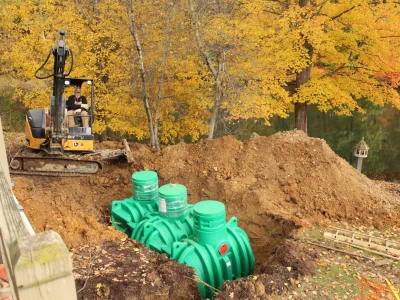
Buying a home with a septic system is not a reason to walk away. It is, however, a reason to slow down and ask better questions.
Many buyers are comfortable evaluating roofs, windows, and HVAC equipment because those systems are visible and familiar. Septic systems are different. Most of the critical parts sit underground, and when a system has been neglected, the damage is often expensive, messy, and discovered too late. I have seen buyers negotiate hard over a dated kitchen while overlooking a septic issue that later cost them far more than new countertops ever would.
A well-designed, properly maintained septic system can serve a home reliably for decades. A failing one can trigger repair bills in the thousands, limit future renovations, complicate financing, and in some areas create legal headaches with local health departments. That is why septic services deserve the same attention as the foundation, plumbing, and electrical panel during a purchase.
Why septic matters more than many buyers realize
A septic system handles every flush, shower, dishwasher cycle, and laundry load. If it is working well, nobody thinks about it. If it is not, the problem moves from invisible to urgent very quickly.
Unlike a municipal sewer connection, a private septic system makes the homeowner responsible for treatment and disposal on site. That means the buyer is not just purchasing a house. They are also taking over a wastewater system with its own maintenance history, design limits, soil conditions, and aging components. In rural and semi-rural markets, this is standard. In suburban fringe areas, buyers are often surprised to learn they are not on public sewer at all.
The cost range for septic work varies widely by region, soil type, permit requirements, and system design. A routine pump-out might be a few hundred dollars. A baffle replacement, outlet filter issue, or distribution box repair can be manageable. A full drain field replacement or complete system redesign can move into a very different budget category. Because of that spread, buyers should not treat septic as a box to check. It needs real due diligence.
Start with the basics: what kind of system is on the property?
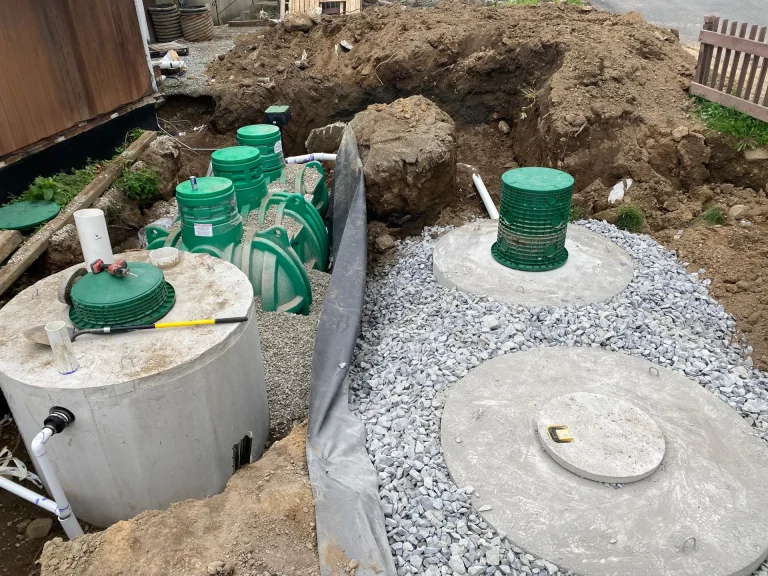
Not every septic system is the same, and the details matter. A conventional gravity system is relatively straightforward. Wastewater flows from the house into a septic tank, solids settle, and partially treated effluent moves to a drain field. Other homes may have pressure distribution, mound systems, aerobic treatment units, sand filters, or pump chambers because the lot, water table, or soil could not support a basic layout.
This affects more than maintenance. It affects repair complexity, service intervals, electricity use, and how forgiving the system is under heavy household demand. A home served by an advanced treatment system may perform perfectly well, but it often requires more specialized septic services and closer attention than a simple gravity setup.
Before you get too far in love with the property, find out what is there. Ask for permits, as-built drawings if available, and any maintenance records. Ask the seller how many bedrooms the system is approved for, not just how many bedrooms the house currently has. That distinction matters. A finished bonus room or basement suite can become a problem if the septic approval does not match how the house is being used.
The home inspection is not enough
A general home inspector plays an important role, but septic evaluation is a separate skill. Most home inspectors will note basic observations, such as slow drains, wet areas in the yard, or a missing tank lid location. That is useful, but it is not the same as a septic inspection performed by a qualified septic contractor or specialist.
A proper septic inspection often includes locating the tank, opening it, measuring sludge and scum levels, checking baffles, reviewing the condition of lids and risers, confirming whether effluent filters are present and serviceable, evaluating the pump if one exists, and assessing signs of drain field stress. In some transactions, a hydraulic load test or dye test may be used, though those methods have limits and should be interpreted carefully. In some areas, local regulations dictate exactly what type of inspection is required for sale.
I have seen buyers rely on the seller’s comment that the tank was “just serviced” without asking what that meant. Sometimes it meant the tank was pumped properly by a licensed company. Sometimes it meant a friend opened a lid and took a quick look. Those are not the same thing.
What septic services during a home purchase should include
The exact scope depends on the property and local rules, but buyers should generally expect a serious inspection to answer a few core questions. Is the system the right size for the house as permitted? Is the tank structurally sound? Are the internal components intact? Is wastewater moving where it should? Are there visible signs of failure or neglect?
This is also the time to ask whether the system has been pumped on a reasonable schedule. For many households, that means roughly every three to five years, though usage patterns, tank size, and garbage disposal use can shift the timing. A house occupied by two careful adults does not load a system the same way a busy family of five does. Frequency without context can mislead, so records matter.
If the inspection reveals a full tank, the buyer should not assume that pumping solves the underlying issue. A tank can be full because it is simply due for maintenance. It can also be full because effluent is not leaving the tank properly due to a blocked outlet, failed baffle, saturated drain field, or pump problem. Experienced septic services providers know how to distinguish routine maintenance from signs of larger trouble.
Warning signs that deserve immediate attention
Some septic problems announce themselves clearly. Others whisper.
If you walk a property and notice lush, unusually green grass in one section during a dry spell, standing water near the drain field, sewage odors outdoors, or soft soggy ground where no irrigation is running, pay attention. Inside the house, slow drains across multiple fixtures, gurgling sounds, sewage smells, or backups at the lowest plumbing fixtures can indicate system stress. None of these symptoms automatically mean total failure, but each deserves investigation.
Buyers should also be wary when the location of the tank or drain field is unclear. That often points to missing records or years of casual ownership. It does not necessarily mean the system is bad, but hidden infrastructure is harder to evaluate and maintain. If no one can confidently identify the components, a locating service may be needed before the transaction proceeds sensibly.
Here are five questions worth asking early in the process:
- When was the tank last pumped, and by whom?
- What type of system is installed, and how many bedrooms is it approved for?
- Have there been any backups, odors, wet spots, or repairs in the last five years?
- Are permits, site plans, and maintenance records available?
- Are any additions, basement finishes, or guest spaces using the system beyond its original design?
Those questions often tell you as much about the seller’s stewardship as the answers themselves.
Records can tell a story, but gaps matter too
A folder of receipts does not guarantee a healthy system, but it usually signals an owner who paid attention. Look for pumping records, repair invoices, permits, and any notices from the county or health department. Dates matter. So do patterns. Repeated pumping at unusually short intervals can suggest heavy use or unresolved trouble. Repeated service calls for alarms or pump failures may indicate an aging component chain.
On the other hand, a lack of records is common, especially with older properties. If that happens, do not panic, but tighten your process. Make sure the inspection scope is strong. Confirm system location and type. Verify legal bedroom count. If possible, learn whether the current owners changed occupancy patterns, added fixtures, or hosted short-term rentals. A septic system that seemed adequate for a retired couple may be under far more strain if you plan to move in with teenagers, frequent guests, and daily laundry.
Not all failures mean total replacement
This is where buyers often swing too far in one direction. Some underestimate the risk and assume every issue is minor. Others hear the word “septic” and imagine the worst possible bill. Reality is more nuanced.
A missing or damaged inlet baffle can often be repaired. An effluent filter may just need cleaning or replacement. A broken lid, unsafe access point, or buried tank without risers can be corrected. A failed pump in a pressure or elevated system can be replaced. Even distribution box adjustments can sometimes improve performance if caught early.
By contrast, a severely compromised tank, a collapsed line, or a drain field that has been overloaded for years may call for major work. Soil conditions, setback requirements, lot lines, wells, streams, and local code all shape what is possible. I have seen buyers assume they can “just put in a new field” only to discover the lot offers very few compliant replacement areas. That can turn a repair discussion into a redesign problem.
Good septic services providers do not just diagnose what is wrong today. They explain what is likely next, what options exist on that parcel, and what level of uncertainty remains.
Financing, insurance, and lender requirements
Some buyers do not think about septic until the lender asks for documentation. Requirements vary. Certain loan programs, especially those involving rural properties, may require a septic inspection or at least evidence that the system is functioning properly. Appraisers may also note obvious site issues. If there is a known septic defect, underwriting can become more complicated.
Insurance usually does not cover wear and tear or neglect. That means if you buy a property with a marginal system and it fails six months later, the financial burden is often yours. This is one reason contingency periods matter. Septic evaluation should happen early enough to negotiate repairs, credits, escrow holdbacks, or price adjustments before you lose leverage.
If you are in a competitive market, it can be tempting to waive contingencies. Doing that on a home with private wastewater service is a high-risk move. There are times buyers knowingly accept that risk, usually because they understand the property well and have budgeted for it. Most first-time buyers do not have that margin.
The drain field is where judgment counts
People often focus on the tank because it is inspectable. The drain field is just as important, and in many cases more expensive to replace. The challenge is that drain fields are harder to evaluate with certainty. A field can appear functional during a short inspection and still be near the end of its useful life. Seasonal conditions matter. A field that behaves one way in late summer may reveal problems during a wet spring.
This does not mean drain field evaluation is guesswork. Experienced professionals look for surfacing effluent, persistent saturation, odors, signs of backup, stressed vegetation patterns, and evidence of past patch repairs. They also consider household size, tank condition, pumping history, and whether solids may have escaped to the field due to poor maintenance or failed baffles.
Buyers should ask a practical question: based on what is visible today, what is the realistic level of confidence in the field’s remaining service life? A reputable inspector will not promise a number of years they cannot defend. What they can often provide is a reasoned assessment of risk.
Daily use habits affect future performance
A septic system that worked for one owner may struggle under another. This is not always a design flaw. Sometimes it is lifestyle.
Long showers, back-to-back laundry loads, heavy bleach use, garbage disposal overuse, flushing wipes, and high guest turnover all increase strain. So does adding a bathroom or bedroom without considering capacity. I have seen homes marketed as four-bedroom houses even though the septic permit only supported three. That matters for both lawful use and functional performance.
If you are buying with plans to renovate, mention that before closing. A contractor and septic professional can tell you whether your ideas fit the existing approval. Expanding the house above septic capacity is where many owners get blindsided. The issue may not surface until permit review, when a remodel stalls because the septic system cannot legally support the new layout.
What to negotiate if problems are found
There is no single right answer. The best approach depends on timing, local customs, the seller’s willingness to cooperate, and how clear the defect is.
When a https://www.flickr.com/people/204701822@N05/ system has a defined repair need with a reliable estimate, some buyers prefer the seller to complete the work before closing, provided permits and final approvals can be obtained on time. Others prefer a credit or price reduction so they control the contractor and scope after closing. For larger issues with design uncertainty, an escrow holdback may be more appropriate than a rushed repair.
The key is not to negotiate from vague fear. Negotiate from documented findings. A written report from a qualified septic services provider gives both sides something concrete to discuss. If the report says the tank needs risers, pumping, and a filter service, that is one kind of conversation. If it says the drain field shows probable failure and replacement options must be engineered, that is another entirely.
A simple post-closing maintenance plan
Once you own the house, the smartest move is to shift from reactive thinking to routine care. Septic systems reward consistency. They do not need constant attention, but they do need periodic service and sensible use.
A good first-year plan usually looks like this:
- Create a file with permits, inspection reports, pumping receipts, and a sketch of component locations.
- Mark the tank, pump chamber, and drain field on a site map so future service is easier.
- Schedule pumping based on actual tank condition, household size, and contractor guidance.
- Protect the drain field from vehicle traffic, heavy structures, and diverted roof or surface water.
- Learn what should never go down the drains, especially wipes, grease, and harsh non-biodegradable solids.
That kind of basic discipline extends system life more than expensive additives or gimmicks ever will.
Common misconceptions that cost buyers money
One persistent myth is that pumping a tank “fixes” a failing septic system. Pumping is maintenance. It removes accumulated solids. It does not restore a damaged drain field or correct a structural defect. Another myth is that septic additives can eliminate the need for pumping. Most systems do not need miracle products. They need proper use, regular inspections, and periodic pump-outs.
A third misconception is that if toilets flush and sinks drain during the showing, the system must be fine. A septic system can appear normal for days or weeks while underlying problems build. That is why short-term house performance should never replace a dedicated septic inspection.
Then there is the belief that old systems are automatically bad and new systems are automatically safe. Age matters, but maintenance and design matter more. I have seen older, well-kept systems outperform newer ones that were overloaded, poorly installed, or ignored.
When to walk away
Most septic issues are manageable if the price, property, and repair path make sense. Still, there are cases where stepping back is the wiser move.
If the site cannot support a legal replacement area, if local approval history is deeply unclear, if wastewater symptoms are significant and the seller will not allow proper inspection, or if the likely repair cost would strain your budget from day one, caution is justified. Septic problems become especially risky when paired with other major deferred maintenance, because they suggest a broader pattern of ownership.
The right question is not whether the property has a septic system. Millions of good homes do. The right question is whether this particular system has been understood, maintained, and priced honestly.
For home buyers, septic services are not a formality. They are one of the most important sources of information you can gather before closing. A few hundred dollars spent on a careful evaluation can save months of frustration and a very expensive surprise. More importantly, it gives you confidence that the invisible system beneath the yard can support the life you plan to build above it.
Excavating New Jersey LLC
Address: 406 County Rd 565, Wantage, NJ 07461
Phone number: +19737914284
FAQ About Septic Services
What is the average cost to get a septic tank emptied?
Emptying a septic tank costs between $290 and $560 on average, with most homeowners paying about $420. Prices vary based on tank size.
What is septic service?
Septic service inspects, pumps, cleans, and maintains a septic tank. A septic tank is a large, underground container that collects and treats wastewater from your home. Over time, sludge, scum, and other debris, like hair and solids, can build up in your tank and clog your drain field.
How often should you have a septic tank serviced?
A standard septic tank should be inspected every 1 to 3 years and pumped every 3 to 5 years. However, the exact schedule depends on your tank's capacity, household size, and daily water usage.